Uncategorized
Copper Peptides for Face: Benefits, How to Use Them, and What to Know
Oct
Introduction: Why Are Copper Peptides Popular in Facial Skincare?
Copper peptides for face have become a popular topic in modern skincare because of their potential role in supporting smoother-looking, firmer, and healthier-looking skin. From facial serums to moisturizers, these ingredients are increasingly featured in routines designed to address visible signs of ageing and uneven skin texture.
One of the best-known copper peptides is GHK-Cu, a small peptide complex containing copper. Researchers have investigated its potential role in skin maintenance, tissue remodelling, and repair-related biological processes. However, the strength of the evidence varies, and the results observed in laboratory research do not always translate directly into visible improvements in people.
If you are exploring peptide-based skincare, understanding how copper peptides work, what benefits they may offer, and how to select a suitable facial product can help you make a more informed decision.
What Are Copper Peptides for Face?
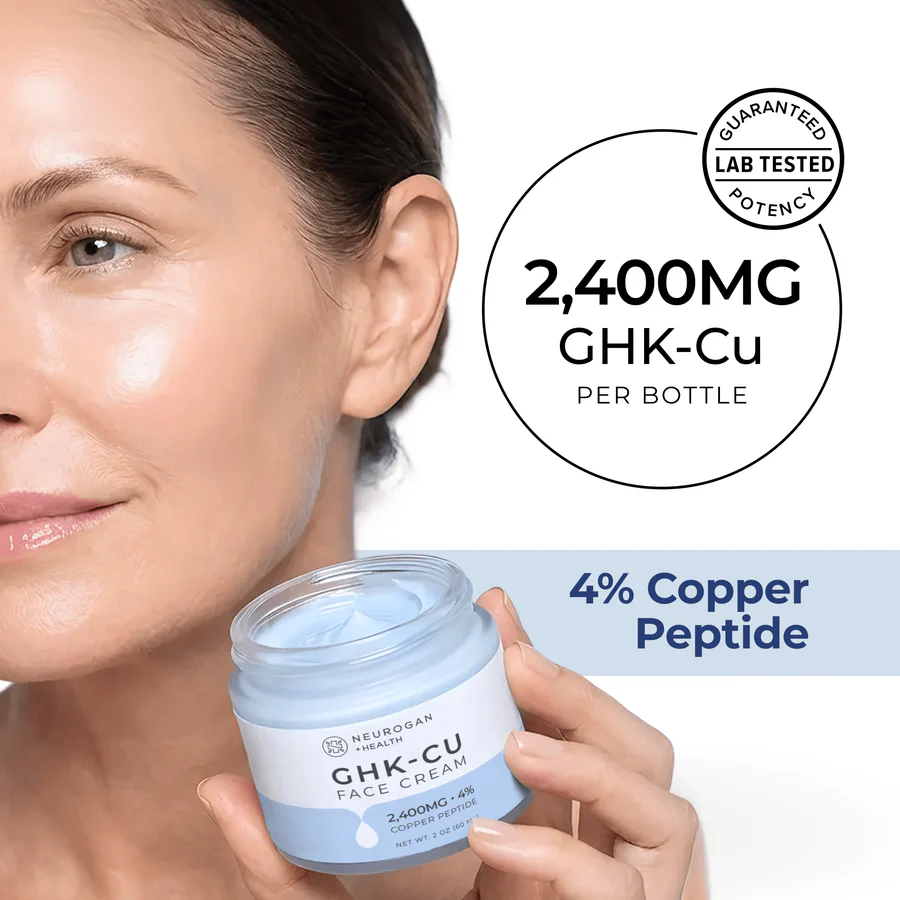
Copper peptides are compounds in which copper is associated with a peptide, a short chain of amino acids. In skincare, one commonly discussed example is GHK-Cu, also known as copper tripeptide-1 in cosmetic ingredient terminology.
GHK-Cu has attracted scientific interest because of its interactions with biological processes associated with the skin’s extracellular matrix. This matrix helps provide structural support and contributes to the skin’s firmness and resilience.
In facial skincare, copper peptides are commonly included in products such as:
- Copper peptide facial serums
- Anti-ageing moisturizers
- Peptide-based face creams
- Hydrating skincare formulations
The purpose of these products is generally to support the appearance and condition of the skin rather than to treat a medical condition.
Potential Benefits of Copper Peptides for Facial Skin
1. Supporting Firmer-Looking Skin
One reason copper peptides are used in facial skincare is their potential relationship with collagen and other components of the skin’s extracellular matrix.
Collagen contributes to skin structure, while changes in collagen and elastin over time can influence the appearance of fine lines and reduced firmness. Laboratory research suggests that GHK-Cu may influence certain processes associated with extracellular-matrix maintenance.
However, evidence from laboratory studies is not proof that every copper peptide serum will visibly improve facial firmness. Results depend on the formulation, its stability, and individual skin characteristics.
2. Improving the Appearance of Fine Lines
Fine lines can develop because of natural ageing, repeated facial movements, environmental exposure, and changes in skin hydration.
A well-formulated facial skincare routine can help improve the appearance of some fine lines, particularly those associated with dryness. Copper peptide products may be an option for people interested in peptide-based skincare.
It is important to keep expectations realistic. Current human research on topical GHK-Cu remains limited, and stronger clinical studies are needed to establish the size and consistency of its cosmetic benefits.
3. Supporting Smoother Skin Texture
Uneven texture can make facial skin appear rough or less refined. Hydration, gentle cleansing, and regular moisturizing are important foundations for maintaining a smoother appearance.
A copper peptide serum may complement these basic skincare steps. However, the overall formulation matters: humectants, emollients, and other ingredients can also contribute to how the skin feels and looks.
4. Complementing a Skin-Maintenance Routine
Healthy-looking skin depends on several factors, including sun protection, adequate hydration, gentle cleansing, and consistent skincare.
Copper peptides may complement a routine focused on maintaining the skin’s appearance. They should not be viewed as a replacement for sunscreen, established acne treatments, or professional care when a persistent skin concern needs medical attention.
For a balanced overview of the available evidence, read this dermatologist’s guide to copper peptides in skincare.
How to Use Copper Peptides for Face
If you want to introduce a copper peptide serum into your routine, a simple approach can help you monitor how your skin responds.
Step 1: Cleanse Your Face
Use a gentle facial cleanser to remove dirt, excess oil, sunscreen, and makeup. Avoid aggressive scrubbing, which can contribute to irritation.
Step 2: Apply Your Copper Peptide Serum
Follow the instructions on the product label. Apply the recommended amount to clean skin, avoiding the eyes and any areas where the product is not intended to be used.
There is no universal application amount or concentration that is appropriate for every copper peptide formulation.
Step 3: Apply Moisturizer
Use a moisturizer suited to your skin type. Moisturizing helps reduce water loss and supports the skin barrier.
Step 4: Use Sunscreen During the Day
Finish your morning routine with broad-spectrum sunscreen of SPF 30 or higher. Sun protection remains one of the most important steps for reducing UV-related skin damage and premature visible ageing.
Step 5: Monitor Your Skin’s Response
Introduce new products gradually and follow the manufacturer’s directions. If you experience persistent redness, burning, itching, or swelling, stop using the product and seek medical advice if necessary.
Can You Combine Copper Peptides With Other Skincare Ingredients?
Copper peptides can appear in routines containing several other active ingredients, but compatibility depends on the individual products and formulations.
Hyaluronic acid: Hydrating products containing hyaluronic acid may complement a copper peptide serum by helping the skin retain moisture.
Niacinamide: Niacinamide is widely used to support the skin barrier and improve the appearance of uneven tone. Whether to layer it with copper peptides depends on the formulations and product instructions.
Retinoids: Retinol and other retinoids are used for concerns such as fine lines and acne. They may cause irritation, especially when first introduced. Consider using separate routines if combining products causes discomfort, and consult a dermatologist for personalized guidance.
Exfoliating acids: Products containing glycolic acid, lactic acid, or salicylic acid can be helpful for certain skin concerns but may irritate sensitive skin. Follow the instructions for each product rather than assuming that all active ingredients work well together.
When building a new routine, simplicity is often more useful than introducing multiple active ingredients at once.
How to Choose a Copper Peptide Serum for Face
Not all products marketed as copper peptide skincare are identical. Before purchasing a facial serum or cream, consider the following factors.
Check the Ingredient List
Look for clear ingredient information and check whether the product identifies GHK-Cu, copper tripeptide-1, or another specific copper peptide. Different compounds should not automatically be assumed to have identical properties.
Review the Product Instructions
A trustworthy product should explain how it is intended to be used, how often it should be applied, and any relevant precautions.
Consider the Full Formulation
The peptide is only one part of a skincare product. The vehicle, supporting ingredients, packaging, and formulation stability can all affect the finished product.
Look for Transparent Product Information
Review the seller’s business details, contact information, return policy, ingredient disclosures, and product-specific documentation where available. Avoid relying solely on phrases such as “premium quality,” “clinically proven,” or “maximum strength” without supporting evidence.
Explore the Available Products
If you are comparing peptide-based skincare options, visit Copper Peptide Store to explore the website’s available products and product information. Review each listing carefully to confirm the ingredients, intended use, and suitability for your skincare needs.
Are Copper Peptides Safe for Facial Skin?
Topical copper peptide products may be suitable for some people, but no cosmetic ingredient is guaranteed to work for every skin type.
Possible problems include irritation, redness, itching, or sensitivity to an ingredient in the formula. People with sensitive skin should introduce new products cautiously and follow the manufacturer’s instructions.
Before applying a product to your entire face, consider testing it on a small area of skin according to the product’s directions. A patch test can help identify some reactions, although it cannot guarantee that irritation will not develop later.
Do not apply ordinary cosmetic copper peptide serums to open wounds or use them for injections. Cosmetic products are not automatically suitable for these purposes.
If you have a persistent skin condition, are using prescription treatments, or are unsure whether a product is suitable for you, speak with a qualified healthcare professional.
For additional general information, visit Google and search for reputable dermatology or medical sources. For more reliable guidance, prioritize established medical organizations and peer-reviewed research over unsupported marketing claims.
Copper Peptides vs. Other Facial Skincare Ingredients
Choosing the right skincare ingredient depends on your primary concern.
| Ingredient | Common skincare purpose |
|---|---|
| Copper peptides | Peptide-based skincare focused on maintaining the appearance of skin |
| Hyaluronic acid | Hydration and a plumper-looking appearance |
| Niacinamide | Skin-barrier support and improvement in the appearance of uneven tone |
| Retinoids | Evidence-based treatment options for acne and certain signs of photoageing |
| Vitamin C | Antioxidant skincare and improvement in the appearance of uneven pigmentation |
These ingredients are not direct substitutes for one another. Some can complement each other, while others may require careful scheduling to minimize irritation.
Frequently Asked Questions About Copper Peptides for Face
Do copper peptides help with wrinkles?
Copper peptides are being studied for their potential effects on skin-related biological processes. Some small cosmetic studies have reported encouraging findings, but the available human evidence is limited. They should not be presented as a guaranteed wrinkle treatment.
How long do copper peptides take to work?
There is no reliable universal timeline. Cosmetic outcomes depend on the product formulation, consistency of use, skin condition, and other skincare habits. Follow the label and assess your routine over time without expecting immediate results.
Can I use copper peptides every day?
Some products are designed for daily use, while others may have different instructions. Follow the specific product label and reduce or stop use if irritation develops.
Are copper peptides suitable for sensitive skin?
They may be tolerated by some people with sensitive skin, but reactions are possible. Check the complete ingredient list and introduce the product cautiously.
Can copper peptides replace sunscreen?
No. Copper peptides do not replace sunscreen. Broad-spectrum SPF 30 or higher, together with other sun-protection measures, remains important for protecting facial skin from UV exposure.
What should I look for when buying copper peptides for face?
Look for transparent ingredients, clear application instructions, suitable packaging, reliable seller information, and realistic claims supported by evidence.
Conclusion: Are Copper Peptides Worth Considering for Your Face?
Copper peptides for face are an interesting option for people exploring peptide-based skincare, particularly products intended to support smoother-looking and well-maintained skin. Research into GHK-Cu suggests potential biological effects, but clinical evidence for visible facial improvements remains limited and varies by outcome.
The best approach is to choose a clearly labelled product, use it according to its instructions, and build your routine around gentle cleansing, moisturizing, and daily sun protection.
Explore the available options at Copper Peptide Store and review each product’s ingredients and directions before deciding whether it fits your skincare routine.
Disclaimer: This article is for educational purposes only and does not replace personalized medical advice. Cosmetic results vary, and claims about copper peptides should be evaluated in light of the available scientific evidence.
