Uncategorized
Anti Aging Copper Peptides: Benefits, How They Work, and What to Know Before Using Them
Oct
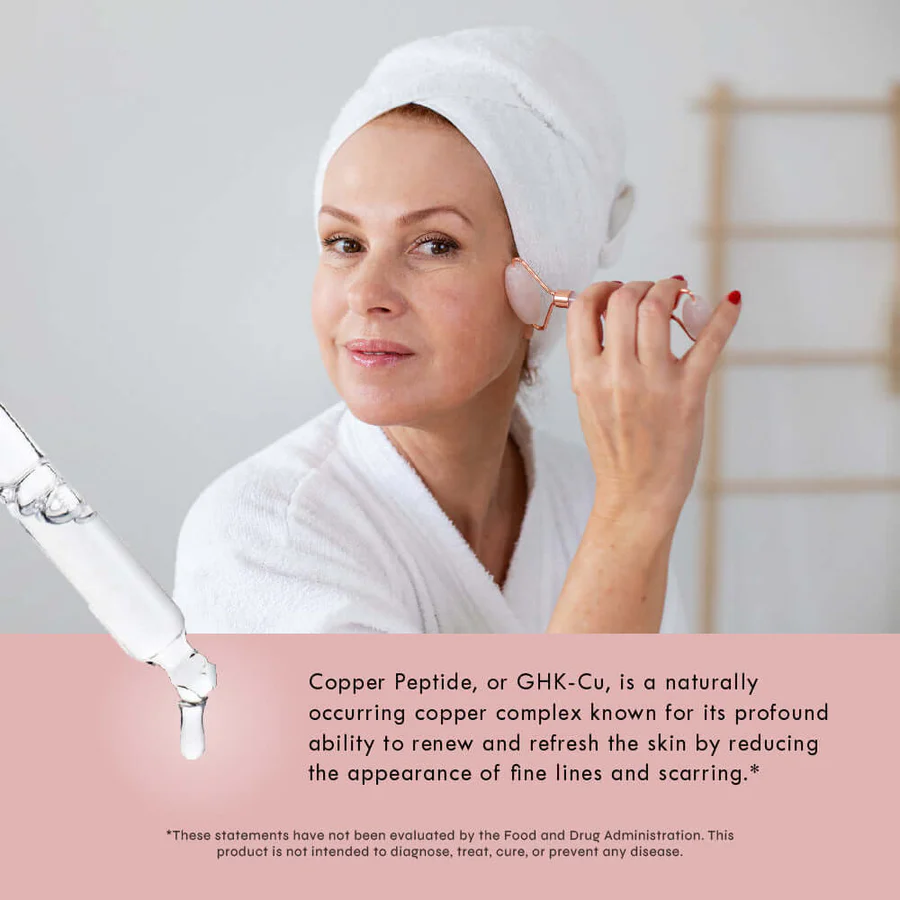
Aging is a natural process, but a consistent skincare routine can help maintain smoother, healthier-looking skin. Among the ingredients gaining attention in modern skincare are anti aging copper peptides, particularly GHK-Cu, a copper-binding peptide studied for its potential role in skin repair, collagen-related processes, and the visible signs of aging.
Copper peptides are increasingly discussed in skincare products designed to improve the appearance of fine lines, uneven texture, and loss of firmness. However, understanding how these ingredients work, what research actually supports, and how to choose a suitable product is essential before adding them to your routine.
In this guide, we explore the science behind copper peptides, their potential skincare benefits, how to use them, and what to consider when shopping for copper peptide products.
What Are Anti Aging Copper Peptides?
Copper peptides are small molecules made from amino acids that bind to copper ions. One of the best-known examples is GHK-Cu, also called copper tripeptide-1 in cosmetic ingredient terminology.
GHK-Cu has attracted scientific interest because of its association with tissue remodeling, skin repair, and processes involved in maintaining the skin’s extracellular matrix. The extracellular matrix includes structural components such as collagen and elastin, which help support the skin’s firmness and flexibility.
As skin ages, collagen production and organization change, while environmental exposure and other factors can contribute to visible wrinkles, uneven texture, and reduced elasticity. Researchers are investigating whether topical copper peptides can help support skin quality and improve some of these visible changes.
A review published in Biomolecules discusses the biological activities of GHK and GHK-Cu and their potential relevance to skin regeneration and aging. However, laboratory findings should not automatically be interpreted as proof of dramatic results in people.
How Do Copper Peptides Work for Skin Aging?
The interest in copper peptides comes from their potential interaction with biological processes associated with skin structure and repair.
1. Supporting Collagen-Related Processes
Collagen is an important structural protein that helps skin maintain its firmness. Changes in collagen organization and production are associated with the development of fine lines and wrinkles.
Research suggests that GHK-Cu may influence collagen-related activity and extracellular matrix remodeling. Some smaller human studies have also reported improvements in certain measures of skin appearance following topical use.
Nevertheless, the evidence remains limited, and results may depend on the formulation, concentration, application period, and individual skin characteristics.
2. Improving the Appearance of Fine Lines
Fine lines can develop through natural aging, repeated facial expressions, sun exposure, and changes in skin hydration.
Copper peptide skincare products are formulated to support smoother-looking skin. With consistent use, an appropriate product may help improve the appearance of skin texture and fine lines, although results are not guaranteed.
It is important to distinguish a cosmetic improvement in the appearance of wrinkles from a proven ability to reverse the biological aging process.
3. Supporting Skin Repair and Remodeling
GHK-Cu has been investigated for its potential role in tissue repair and remodeling. Laboratory research suggests that it may influence several processes involved in maintaining skin structure.
These findings help explain why copper peptides appear in skincare products marketed for mature or environmentally stressed skin. However, evidence from laboratory experiments does not establish that every commercially available serum produces the same effects.
4. Helping Maintain Healthier-Looking Skin
A well-formulated copper peptide serum can be one component of a broader skincare routine focused on hydration, texture, and maintaining the skin barrier.
The overall appearance of skin also depends on factors such as sun protection, sleep, nutrition, genetics, and the use of other skincare ingredients.
Copper peptides should therefore be considered a potential supportive ingredient rather than a standalone solution for every sign of aging.
What Does the Research Say About Anti Aging Copper Peptides?
Scientific interest in GHK-Cu has grown because of findings from laboratory research, experimental models, and smaller human studies.
A review available through the National Library of Medicine examines the potential of GHK as an anti-aging peptide and describes its biological activities in skin-related research.
Some earlier cosmetic studies have reported improvements in skin density, fine lines, or overall appearance after several weeks of topical use. These findings are promising, but they should be interpreted carefully because the available studies vary in design, size, and quality.
A 2025 review of topical GHK and related anti-wrinkle peptides also highlights an important limitation: evidence about effectiveness, skin penetration, and formulation remains incomplete.
For consumers, the practical takeaway is straightforward. Copper peptides are scientifically interesting skincare ingredients, but stronger and larger clinical studies are needed to establish how consistently they improve visible signs of aging.
Copper Peptides vs. Other Anti-Aging Ingredients
Choosing an anti-aging skincare ingredient depends on your skin concerns, tolerance, and routine.
| Ingredient | Main skincare focus | Important consideration |
|---|---|---|
| Copper peptides | Skin appearance and collagen-related processes | Clinical evidence is still developing |
| Retinoids | Fine lines, texture, and photoaging | Can cause dryness or irritation |
| Vitamin C | Antioxidant protection and uneven skin tone | Stability and formulation matter |
| Hyaluronic acid | Hydration and temporary plumping | Primarily supports hydration |
| Niacinamide | Skin barrier support and uneven appearance | Often suitable for a range of routines |
These ingredients are not necessarily competitors. Some can complement one another when used appropriately, although compatibility depends on the individual formulations and your skin’s tolerance.
If you are building a new routine, introducing products gradually can make it easier to identify irritation or sensitivity.
How to Use Copper Peptides in an Anti-Aging Skincare Routine
Using a copper peptide product consistently and following its label directions are important steps toward evaluating whether it suits your skin.
Step 1: Cleanse Your Skin
Start with a gentle cleanser to remove sunscreen, makeup, and daily impurities. Avoid harsh cleansing products that leave your skin feeling tight or irritated.
Step 2: Apply Your Copper Peptide Serum
Follow the product’s instructions regarding application amount and frequency. Depending on the formulation, the serum may be applied after cleansing and before moisturizer.
Do not assume that a higher concentration or larger quantity will produce better results.
Step 3: Apply Moisturizer
A suitable moisturizer helps maintain hydration and supports the skin barrier. Choose a formula appropriate for your skin type, particularly if you experience dryness or sensitivity.
Step 4: Use Sunscreen Every Morning
Daily broad-spectrum sunscreen is one of the most important steps in a skincare routine targeting visible aging. Ultraviolet exposure contributes to wrinkles, uneven pigmentation, and other signs of photoaging.
Choose a broad-spectrum sunscreen with SPF 30 or higher and reapply as directed, especially when outdoors.
Step 5: Be Patient and Monitor Results
Cosmetic skincare ingredients generally require consistent use before changes in skin appearance can be assessed. Take note of your skin’s comfort, hydration, and texture rather than expecting immediate wrinkle removal.
Stop using a product if it causes persistent irritation and seek professional advice when necessary.
Are Copper Peptides Safe for Everyday Skincare?
The safety of a copper peptide product depends on its formulation, ingredients, concentration, and intended use.
Topical cosmetic products may be appropriate for some people, but irritation or sensitivity can occur. Consider testing a new product on a small area of skin according to its instructions before applying it more widely.
If you have a skin condition, use prescription skincare treatments, or have recently undergone a cosmetic procedure, consult a qualified healthcare professional before introducing new active ingredients.
Also, do not confuse topical copper peptide serums with injectable or other non-topical products. Evidence and safety considerations for one application method cannot automatically be applied to another.
Important: Copper peptides should not be presented as proven treatments that reverse aging, cure skin conditions, or guarantee collagen regeneration. Choose products with transparent ingredient information and avoid unsupported medical claims.
How to Choose a Quality Copper Peptide Product
With many skincare products available online, selecting a copper peptide serum requires more than relying on attractive packaging or dramatic marketing promises.
Consider the following factors:
- Clear ingredient information: Look for a complete ingredient list and clear identification of the copper peptide used.
- Transparent product details: Check the product’s intended use, directions, storage recommendations, and relevant formulation information.
- Suitable formulation: Consider whether the texture and supporting ingredients suit your skin type.
- Responsible claims: Be cautious of promises to eliminate all wrinkles, reverse aging overnight, or deliver guaranteed results.
- Reliable seller information: Look for accessible customer support, clear shipping terms, and a published return policy.
- Appropriate packaging: Packaging should protect the product and follow the manufacturer’s storage recommendations.
To explore relevant products and skincare options, visit Copper Peptide Store. Review individual product descriptions and ingredient information carefully to determine whether a product meets your needs.
Buying from a website alone does not guarantee product quality or authenticity, so evaluate the available information before making a purchase.
Frequently Asked Questions About Anti Aging Copper Peptides
1. What are the best copper peptides for anti-aging?
GHK-Cu is one of the best-known copper peptides used in cosmetic skincare. The suitability of a product depends on its formulation, ingredient quality, and the skin concerns you want to address.
2. Can copper peptides reduce wrinkles?
Some small studies have reported improvements in the appearance of fine lines and other signs of aging. However, the evidence is limited, and copper peptides cannot be guaranteed to reduce wrinkles for everyone.
3. How long do copper peptides take to work?
The time required to notice cosmetic changes varies by product and individual. Follow the manufacturer’s directions and assess the product over a consistent period rather than expecting immediate results.
4. Can I use copper peptides every day?
Some topical products are designed for daily use, but you should follow the specific label instructions. Introduce new products gradually if your skin is sensitive.
5. Can copper peptides be combined with retinol?
The answer depends on the products and your skin’s tolerance. Some routines use peptides and retinoids at different times, but there is no universal rule that every formulation is compatible. Follow product guidance and seek professional advice if irritation occurs.
6. Are copper peptides better than vitamin C?
Neither ingredient is universally better. Vitamin C is commonly used for antioxidant support and uneven skin tone, while copper peptides are investigated for skin remodeling and other biological activities. Your choice should reflect your goals and tolerance.
7. Do copper peptides replace sunscreen?
No. Copper peptides do not replace sunscreen. Daily broad-spectrum sun protection remains essential for reducing UV-related skin damage.
8. Where can I learn more about copper peptides?
You can explore scientific publications through PubMed Central and review general research resources through Google. When evaluating skincare claims, prioritize peer-reviewed research and reliable medical information.
Final Thoughts: Are Anti Aging Copper Peptides Worth Considering?
Anti aging copper peptides, particularly GHK-Cu, are promising ingredients in the evolving field of skincare. Research suggests potential roles in collagen-related processes, tissue remodeling, and improving some visible signs of skin aging. However, the current evidence does not justify treating them as miracle ingredients or guaranteed wrinkle solutions.
For the best approach, choose a well-documented topical product, follow its directions, maintain a consistent skincare routine, and use sunscreen daily. Pay attention to ingredient transparency and realistic claims when comparing products.
Ready to explore copper peptide skincare? Visit Copper Peptide Store to browse available options and review product information before choosing a formula that fits your skincare goals.
Disclaimer: This article is for educational purposes only and is not a substitute for professional medical advice. Individual results vary, and cosmetic products should be used according to their labeling and directions.
