Uncategorized
Copper Peptides for Skin: Benefits, How They Work, and How to Choose the Right Serum
Oct
Introduction: Why Are Copper Peptides Popular in Skincare?
Copper peptides for skin have attracted attention among skincare enthusiasts looking to improve the appearance of fine lines, uneven texture, and loss of firmness. These ingredients are commonly found in serums and creams designed to support a smoother, healthier-looking complexion.
One of the best-known copper peptides is GHK-Cu, a complex formed by the peptide glycyl-L-histidyl-L-lysine and copper. Researchers have investigated its role in biological processes associated with skin maintenance, tissue repair, and collagen-related activity. However, laboratory findings do not automatically translate into proven results for every cosmetic product.
Whether you are building a new skincare routine or comparing different peptide formulations, understanding how copper peptides work can help you make an informed choice.
What Are Copper Peptides for Skin?
Copper peptides are small molecules consisting of peptides associated with copper ions. In skincare, GHK-Cu is among the most widely discussed examples because of its potential involvement in processes related to skin structure and repair.
Copper itself is an essential trace mineral that participates in several biological functions. Certain enzymes involved in connective tissue formation depend on copper, while peptides can interact with biological systems in different ways.
When included in topical skincare products, copper peptides are intended to help condition the skin and support its overall appearance. The effectiveness of a particular product depends on factors such as its formulation, stability, ingredient concentration, and how consistently it is used.
For shoppers, the important distinction is that a product containing copper peptides is not automatically clinically proven to reverse wrinkles or repair every type of skin damage.
Five Potential Benefits of Copper Peptides for Skin
1. Supporting the Appearance of Firmer Skin
Collagen and elastin are important components of the skin’s structural framework. Changes in these components over time can contribute to visible signs of ageing, including reduced firmness and the appearance of fine lines.
GHK-Cu has been investigated for its relationship with collagen production and extracellular matrix remodelling. These findings help explain why copper peptides are used in cosmetic formulations targeting mature-looking skin.
However, the strength of clinical evidence varies, and results from laboratory research should not be treated as a guarantee of visible improvement.
2. Improving the Appearance of Fine Lines
Fine lines may develop because of natural ageing, repeated facial expressions, sun exposure, and changes in skin hydration.
Copper peptide serums are marketed to support smoother-looking skin as part of a consistent skincare routine. Some earlier studies have reported promising cosmetic outcomes, but human research remains limited compared with the evidence available for certain established skincare ingredients.
For this reason, copper peptides are best considered one possible component of a broader routine rather than a guaranteed wrinkle treatment.
3. Supporting Skin Texture
Uneven skin texture can make the complexion appear dull or rough. A well-formulated skincare routine can help improve the appearance and feel of the skin over time.
Copper peptides are of interest because researchers have studied their role in cellular signalling and processes associated with tissue maintenance. Nevertheless, individual results will depend on the complete formulation and the condition of the skin.
For the best overall approach, combine suitable moisturising products with gentle cleansing and regular sun protection.
4. Complementing a Skin-Conditioning Routine
A copper peptide serum may be useful for people who want to add a peptide-based product to their existing skincare routine.
Depending on the formula, the product may also contain humectants, moisturising agents, or other ingredients that help the skin feel softer and more comfortable.
Read the complete ingredient list rather than judging a serum solely by its copper peptide content. The quality and compatibility of the entire formulation matter.
5. Supporting Research Into Skin Maintenance
Scientific interest in GHK-Cu extends beyond cosmetic marketing. Researchers have examined its potential effects on processes involved in inflammation, tissue repair, and extracellular matrix regulation.
Much of this research comes from laboratory and preclinical studies. Human clinical evidence is more limited, and results can differ according to the formulation, application method, and outcome being measured.
A balanced understanding of copper peptides means recognising both their scientific potential and the limitations of current evidence.
How to Use a Copper Peptide Serum
If you decide to try copper peptides for skin, introducing the product gradually is a sensible approach.
Step 1: Cleanse Your Face
Use a gentle cleanser to remove dirt, oil, and everyday impurities. Pat your skin dry without rubbing aggressively.
Step 2: Apply the Serum According to Its Instructions
Follow the manufacturer’s directions for the amount and frequency of application. Avoid assuming that a higher concentration or larger quantity will produce better results.
Step 3: Follow With Moisturiser
A moisturiser can help maintain skin hydration and support the skin barrier. Choose a formula suited to your skin type and existing concerns.
Step 4: Apply Sunscreen During the Day
Use a broad-spectrum sunscreen with SPF 30 or higher during daytime skincare. Sun protection is particularly important when your goal is to reduce the visible effects of photoageing.
Step 5: Monitor Your Skin’s Response
Introduce new products one at a time so you can identify possible irritation. Patch-test according to the product instructions, and discontinue use if you experience persistent redness, burning, swelling, or discomfort.
If you have a skin condition, are using prescription treatments, or have recently undergone a cosmetic procedure, seek advice from a qualified healthcare professional before changing your routine.
How to Choose the Best Copper Peptide Serum
Not every product marketed as a copper peptide serum offers the same formulation or level of transparency. Before making a purchase, consider the following factors.
Ingredient Transparency
Look for a complete ingredient list that identifies the product’s components. Check whether the manufacturer specifies GHK-Cu or another copper peptide rather than relying on vague claims about advanced peptide technology.
Formulation and Packaging
A well-designed formula should account for ingredient compatibility and stability. Packaging that limits unnecessary exposure to light and air may be beneficial, depending on the product’s formulation.
Clear Product Information
Look for straightforward directions, storage recommendations, manufacturer details, and relevant product documentation. Avoid sellers that rely on extraordinary promises without explaining what their product contains.
Suitability for Your Routine
Consider your skin type, existing products, and primary skincare goals. A simple, compatible routine is often easier to maintain than introducing several new active ingredients at once.
Responsible Claims
Be cautious of products promising to eliminate wrinkles, reverse ageing completely, or deliver guaranteed results within a few days. Cosmetic outcomes vary, and claims should be supported by evidence appropriate to the specific product.
Copper Peptides vs. Other Skincare Ingredients
Copper peptides are not the only ingredients used to address the appearance of ageing.
- Hyaluronic acid: Commonly used to attract and retain moisture, helping skin appear temporarily plumper.
- Retinoids: A well-studied group of ingredients used for concerns such as photoageing and acne, although they can cause irritation and require appropriate use.
- Vitamin C: An antioxidant ingredient often included in routines targeting uneven skin tone and the visible effects of environmental exposure.
- Ceramides: Lipids used in skincare to support the skin barrier and reduce moisture loss.
- Copper peptides: Peptide-based ingredients investigated for their potential role in skin maintenance and remodelling, with clinical evidence that remains limited.
These ingredients serve different purposes. The right combination depends on your skin’s needs, tolerance, and overall routine. You do not need to use every active ingredient to maintain healthy-looking skin.
Are Copper Peptides Safe for Skin?
Topical copper peptide products may be tolerated by many users, but no cosmetic ingredient is suitable for everyone. Reactions can depend on the formulation, other ingredients, and individual skin sensitivity.
To reduce the likelihood of problems:
- Follow the product’s application instructions.
- Avoid applying cosmetic serums to broken or severely irritated skin unless specifically directed by a healthcare professional.
- Introduce new products gradually.
- Check ingredient lists for substances to which you have known sensitivities.
- Ask a dermatologist or pharmacist about compatibility with prescription skincare treatments.
Do not confuse topical cosmetic products with injectable or research-use peptide preparations. They are different products and should not be treated as interchangeable.
Where to Buy Copper Peptide Products Online
When shopping for copper peptide skincare, choose a seller that provides clear product descriptions, ingredient information, usage instructions, and accessible customer support.
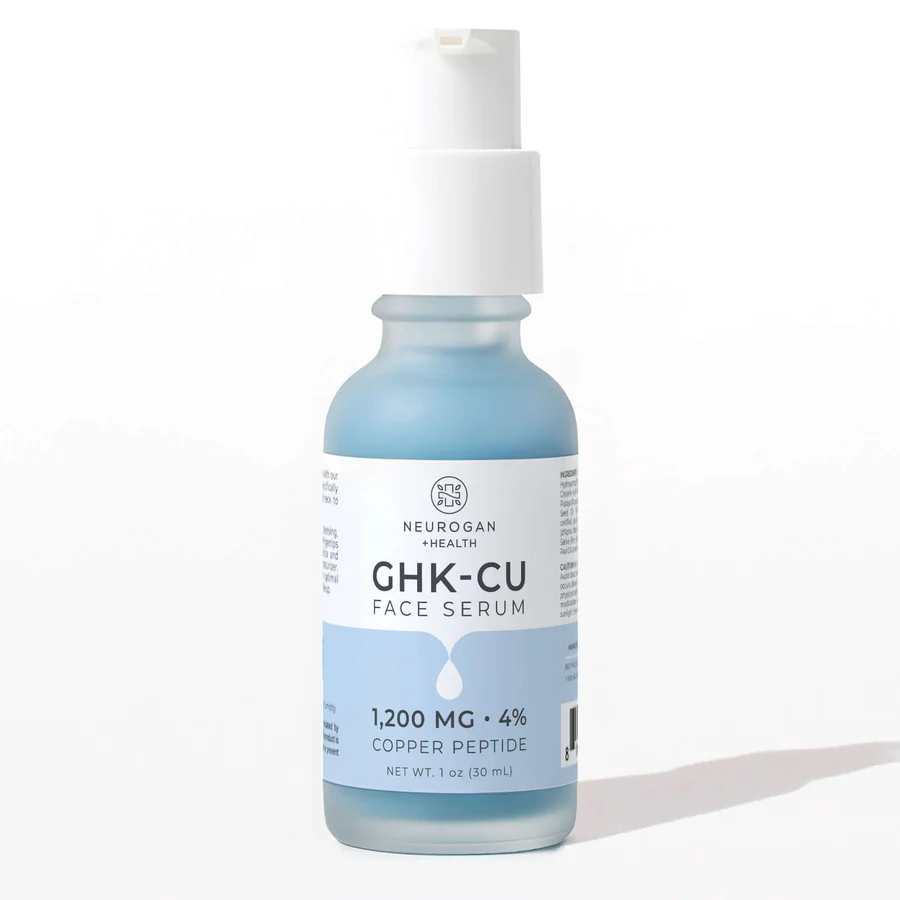
You can explore the available skincare options at CopperPeptideStore.com. Review each product’s formulation and instructions before deciding whether it suits your needs.
For additional product information, compare the listed ingredients, packaging, and intended use rather than relying exclusively on promotional language. A trustworthy purchasing decision starts with understanding what you are buying.
Frequently Asked Questions About Copper Peptides for Skin
What do copper peptides do for skin?
Copper peptides are studied for their involvement in biological processes related to skin maintenance and tissue remodelling. Topical products are commonly marketed to support smoother, firmer-looking skin, although the level of clinical evidence varies.
Can copper peptides help reduce wrinkles?
Some studies have reported promising cosmetic outcomes, but the human evidence is limited. Copper peptide products should not be expected to eliminate wrinkles, and results are not guaranteed.
How long do copper peptides take to work?
The timeline depends on the product, formulation, consistency of use, and individual skin characteristics. There is no universally established timeframe for visible results from all copper peptide products.
Can I use copper peptides every day?
Some products are designed for daily use, while others may have different instructions. Follow the label and introduce the product gradually, particularly if you have sensitive skin.
Can copper peptides be combined with vitamin C or retinol?
Compatibility depends on the specific formulations and your skin’s tolerance. Avoid assuming that every combination is suitable. Introduce products separately and seek professional advice if you experience irritation or are unsure how to combine active ingredients.
Are copper peptides suitable for sensitive skin?
Some people with sensitive skin may tolerate them, but reactions are possible. Review the full ingredient list, patch-test as directed, and discontinue use if irritation develops.
Are copper peptides better than retinol?
Neither ingredient is universally better for every skincare goal. Retinoids have a more established evidence base for certain photoageing concerns, while copper peptides are being investigated for different biological effects.
Are Copper Peptides Worth Considering?
Copper peptides for skin are an interesting option for people exploring peptide-based skincare. GHK-Cu has attracted scientific interest because of its potential involvement in processes associated with skin structure and repair, while cosmetic formulations are designed to support a smoother and healthier-looking complexion.
However, promising laboratory findings should not be confused with definitive clinical proof. Product formulation, ingredient transparency, appropriate use, and realistic expectations all matter when choosing a serum.
If you are comparing peptide skincare options, start by reviewing the ingredients and directions for use. Explore the products available at CopperPeptideStore.com and choose a formula that fits your routine and skincare priorities.
Recommended next step: Build a consistent routine around gentle cleansing, moisturising, and daily sun protection before judging whether an additional peptide product is worthwhile.
